The Alexandrian

IN THE SHADOW OF THE SPIRE

Harvesttime – Part 1: Tor at the Tourney Fields

The next day, despite the weariness with which they had collapsed, they all awoke bright and early – looking forward to the festivals of Harvesttime and a day of rest and relaxation before attending the party at Castle Shard that evening.

I’ve previously discussed my personal background when it comes to general PBeM gaming, but dedicated PBeM gaming is not the only way to take advantage of the medium. Running PBeM sessions for some or all of the players between regular face-to-face sessions of a campaign is a technique which I really love in theory. Unfortunately, I rarely do it. And even when I attempt it, it never seems to quite work out right. (You can see that here, actually, with Agnarr and Elestra basically doing nothing because their players just didn’t reply to the e-mails.)

Let’s back up for a second.

BLUEBOOKING

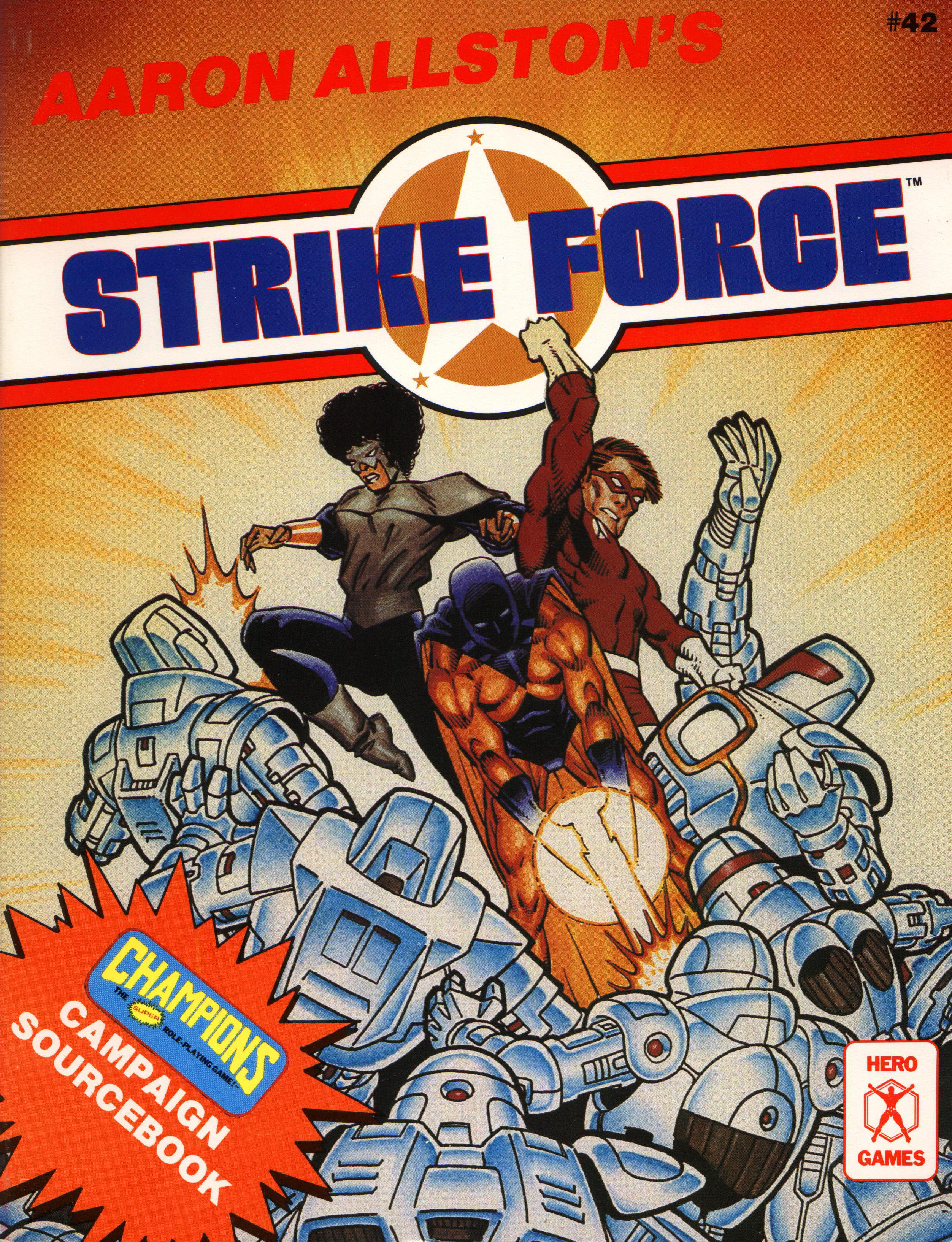
Inter-sessional play-by-email is a form of bluebooking. Back in 1988, Aaron Allston’s Strike Force campaign supplement for Champions was a revolutionary text, describing techniques for running and playing RPGs that transformed the games of those who read it. (It was also, sadly, an incredibly obscure text.) One of the unique techniques he described was Aaron Allston's Strike Force“bluebooking”, named after the semi-disposable exam books.
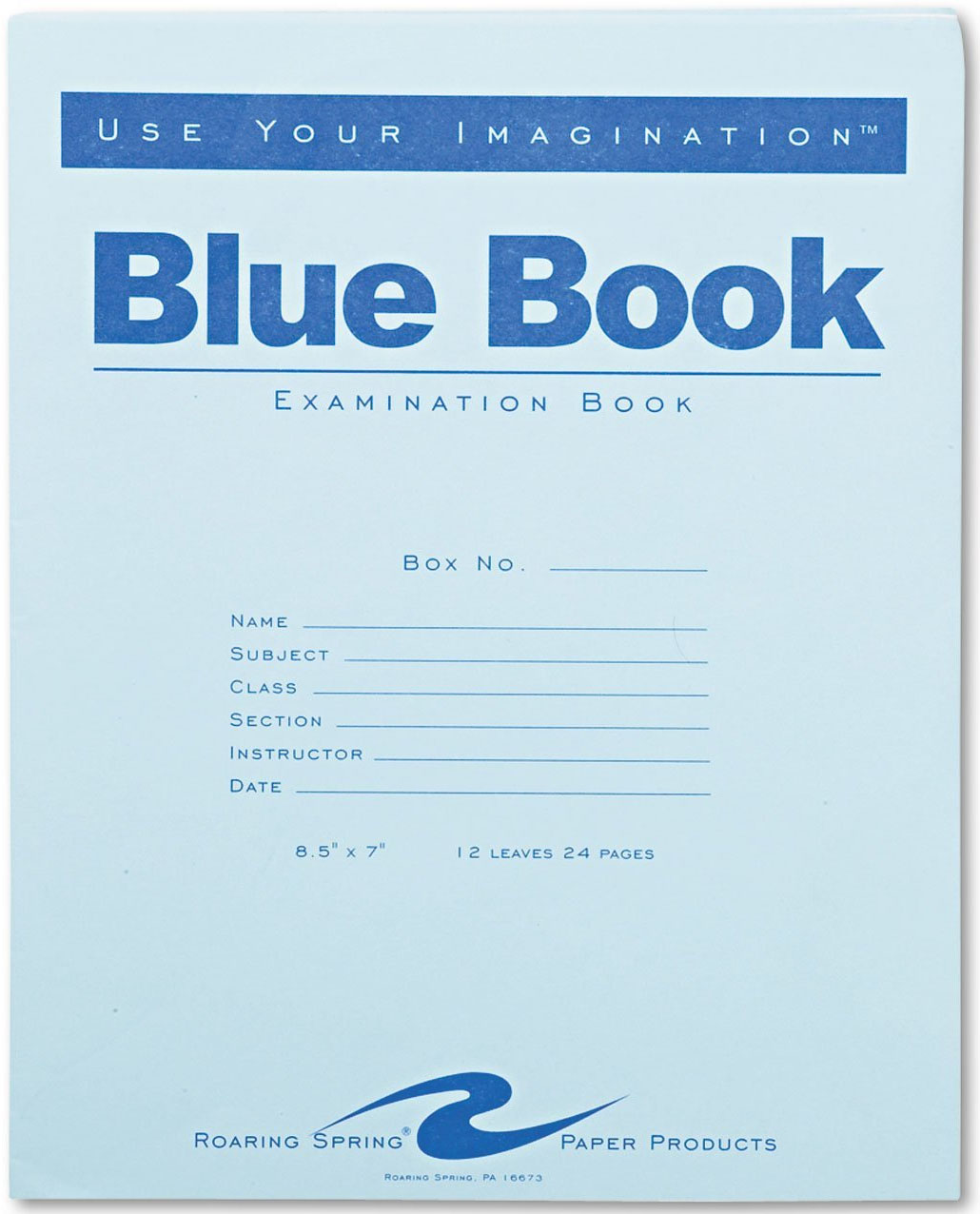
Bluebooking grew out of what Allston referred to as “paranoia notes”. (When the GM passes a player a scrap of paper or vice versa in order to keep their communication secret from the other players. They’re “paranoia” notes because that’s what they create.) Rather than using scraps of paper, Allston’s group would pass notepads around. And then something interesting happened: The players started passing the notepads to each other, using them to develop privately roleplayed side-scenes. They also started to use the pads for in-character journaling, developing character histories, and the like. The pads were then replaced with the blue books which, to my understanding, allowed specific books to be dedicated to particular characters, interactions, etc.

Eventually, whole game sessions were occasionally given over to blue-booking. In these sessions, the players put their characters through solo activities, or conversations with one another, which pertain to their ongoing stories. One player will write with the GM concerning his investigations; one will be conducting a romance with an NPC; one will be vacationing in Greece; another may actually be conducting a whole solo adventure with the GM.

Allston identified three specific advantages to bluebooking:

  • Privacy (for obvious reasons)
  • Permanence (the exam books provide an organized record of what occurred)
  • Breakdown of Inhibition

The last of these is particularly interesting:

It’s hard to conduct some game activities during active play. For instance, a male GM playing a female NPC who’s having a passionate affair with a male PC may have a tough time uttering the lines of high romance in a roomful of gamers. But while blue-booking the dialogue, the GM can be detached enough to write the NPCs’ lines as he wishes her to say them, can take the time to make sure the dialogue he’s writing isn’t clumsy or inane, and can give the player-character a more satisfying subplot.

I think you can actually broaden this to a more general category of Exploring the Unusual by allowing you to play through moments and topics that you can’t (or won’t) explore at the table. That can be stuff that the group finds uncomfortable (like intense romance for some groups), but it can also just be stuff that people aren’t interested in. It might even be stuff that you’re not interested in exploring outside of your blue book. (For example: What does a typical day in the life of your character look like? That might be really boring to play out moment-by-moment, but really interesting for you to explore interactively.)

To Allston’s list of advantages, I would also personally add two more:

Thoughtful Consideration. Bluebooking allows you to create at a different pace than the immediate demand of live improvisation. It gives you a chance to get your character “right” in a way that doesn’t always happen in the organic, real-time flow of the table. This allows you to explore your character – and their life – in different ways. Not just in terms of your ability to think about what you’re creating, but also the depth with which you are developing your ideas: How does your character think? What are their childhood memories? Who’s important to them in their personal life and why?

In addition to the immediate creative pleasure of this sort of thing, what I find interesting is the ability for this development to feed back into and inform the live improv of the character going forward.

In this session, for example, you might notice that the PCs’ dialogue has suddenly taken on a different feel from previous journal entries. That’s because the players are – consciously or otherwise – exploring how their characters talk in a way that they haven’t before. Some of that Blue Book(like Tee’s awkward, undefined fear and struggle with feeling like an adult amongst her childhood friends) sticks; some of it (like Tor’s relatively heavy accent) doesn’t. And that’s okay. That’s how creativity works; that’s how ideas grow.
(Bluebooking will also inevitably display some of the stilted traits of amateur fiction. That’s okay, too.)

This isn’t just useful for the players, of course. The GM also benefits from being able to give thoughtful consideration to a PC’s actions. This makes bluebooking particularly useful for complex or uncertain situations where the GM isn’t sure how or what to prep; improvising in slow motion lets the GM respond truthfully without compromising quality, depth, or long-term planning.

Opportunistic Play. The ubiquitous availability of e-mail and other forms of digital communication mean that, unlike for most people in 1988 when Allston wrote Strike Force, you don’t have to be in the same room to bluebook with other people. This means that bluebooking also allows you to continue roleplaying – to continue developing and experiencing the campaign – even when you’re not in a session.

That’s what was happening in this “session”, for example: I was working in a temp job with a lot of dead time, so I was able to swap e-mails with people on the boss’ dime. I don’t actually remember why we did it; what prompted us to explore the daylight hours of Harvesttime via e-mail. It certainly wasn’t something we made a habit of. (We’d already had mixed results attempting something similar at the beginning of the campaign, and my one other attempt to do this within the context of the Ptolus campaign to date –what was supposed to be an opportunity to roleplay through Tithenmamiwen’s birthday party – ended up being such a non-starter that we ended up retconning the entire event out of the campaign.)

ADDITIONAL THOUGHTS

For those who aren’t interested in full-blown bluebooking (or who, like me, struggle with making it work or getting their players to buy in), a more limited variant that can be very useful – De Profundis - Michael Oraczparticularly for certain eras of gaming – is in-character correspondence. I often do this with my Cthulhu-related gaming, as the deeper psychological exploration it encourages feeds nicely into Mythos-inspired insanity and it can also be a lovely way of thinking more deeply about historical milieus.
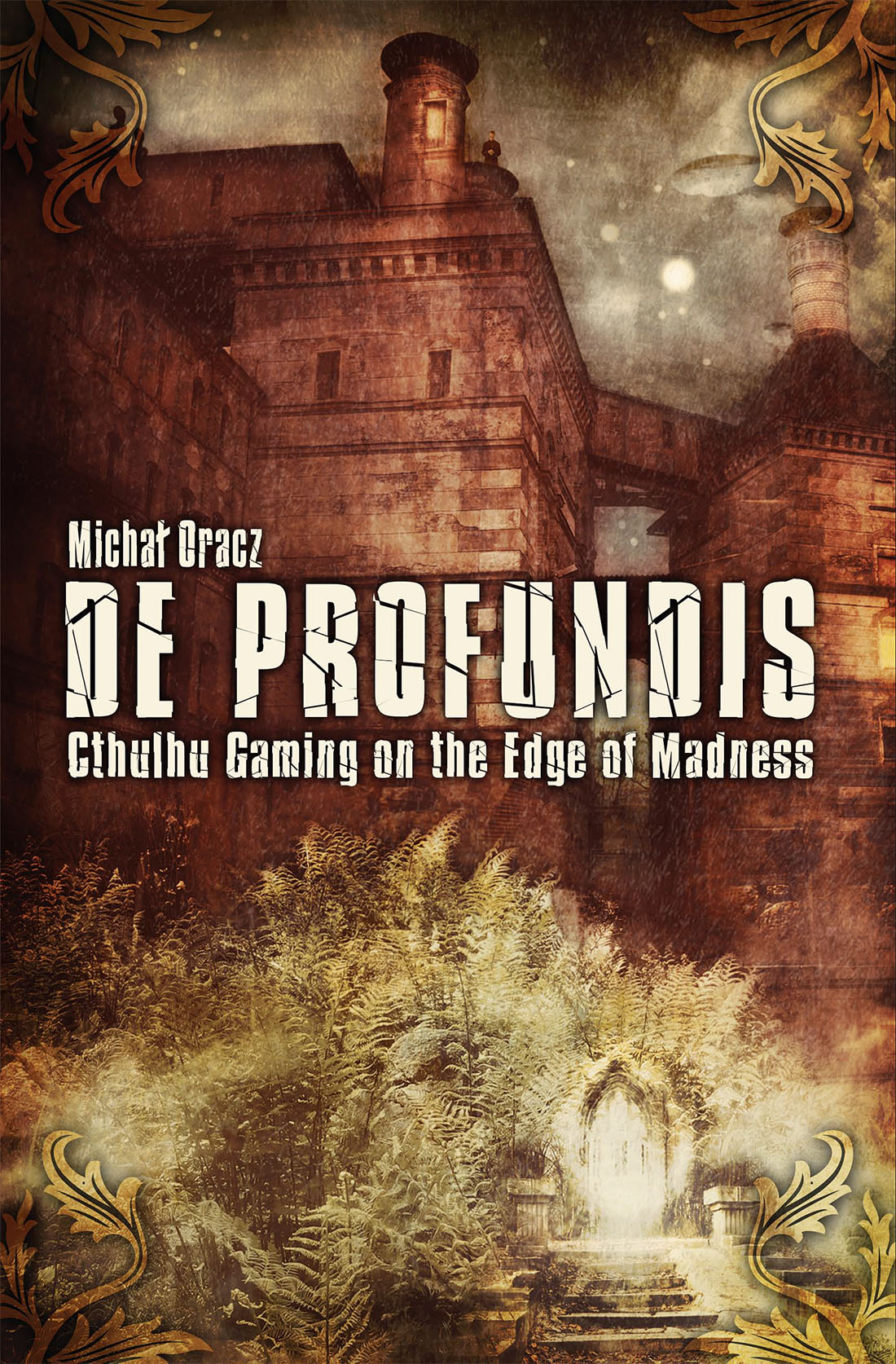
On that note, I recommend checking out Michael Oracz’s De Profundis (which I am excited to have just discovered – having thought it long out of print – is currently available in an expanded second edition from Cubicle 7). It’s a “game” in which each player takes on the role of a particular character experiencing some Mythos-related oddity and then corresponds with the other players, developing that idea over time. It’s not really a game, serving as more of a structured activity, but it’s a rich and insightful text that I’ve found useful as a general resource for correspondence roleplay.

I also remain intrigued by Monte Cook’s upcoming Invisible Sun roleplaying game, which is supposed to be designed to specifically encourage and support bluebooking between sessions.

Ptolus - In the Shadow of the Spire

IN THE SHADOW OF THE SPIRE

HARVESTTIME – PART 1: TOR AT THE TOURNEY FIELDS

PBeM – November 12th through December 1st, 2007
Harvesttime in the 790th Year of the Seyrunian Dynasty

The next day, despite the weariness with which they had collapsed, they all awoke bright and early – looking forward to the festivals of Harvesttime and a day of rest and relaxation before attending the party at Castle Shard that evening.

Agnarr went looking (unsuccessfully) for a dog. And Elestra took simple joy in wandering the streets of the city. But for many of the others, the day held new wonders and discoveries…

TEE AND TOR – BREAKFAST CONFESSIONALS

Tor, knowing that Tee was always the first among them to rise, made a point of waking particularly early and heading down to breakfast. He wanted a chance to speak to her without the others around.

Ptolus - The Ghostly MinstrelHe went to the kitchen first, grabbing a salad of the seasoning grasses that had been steeped in the juices of last night’s roast; a dollop of fresh cream; and a cup of black coffee. He wasn’t sure what he thought of these Arathian meals, yet, but he had never been one to be choosy.

Heading into the dining room, he found Tee sitting alone. He joined her, eating his breakfast in silence for a minute or two.

Then, without pausing or looking up at Tee, he said, “Did you mean what you said, about going back to help those goblins?”

Tee thought about it for awhile, picking at her food. Then she sighed lightly and said, “I don’t know. While I think that they could use our help, and would not mind providing assistance necessarily, I am not sure if that is the best course of action for us to take at this time.  I suppose it depends on how much more exploration we choose to do of the underground area – it might be useful to have the goblins as allies if we plan on being down there more.”

She fell into silence for a moment, before hestitantly asking, “Do you have something against helping the goblins in general, or was there something else that made you walk away?  I do not like to pry, Tor, as I myself am a very private person, but we find ourselves in a situation where I think it would do us good to be more forthright with our intentions.” Read more »

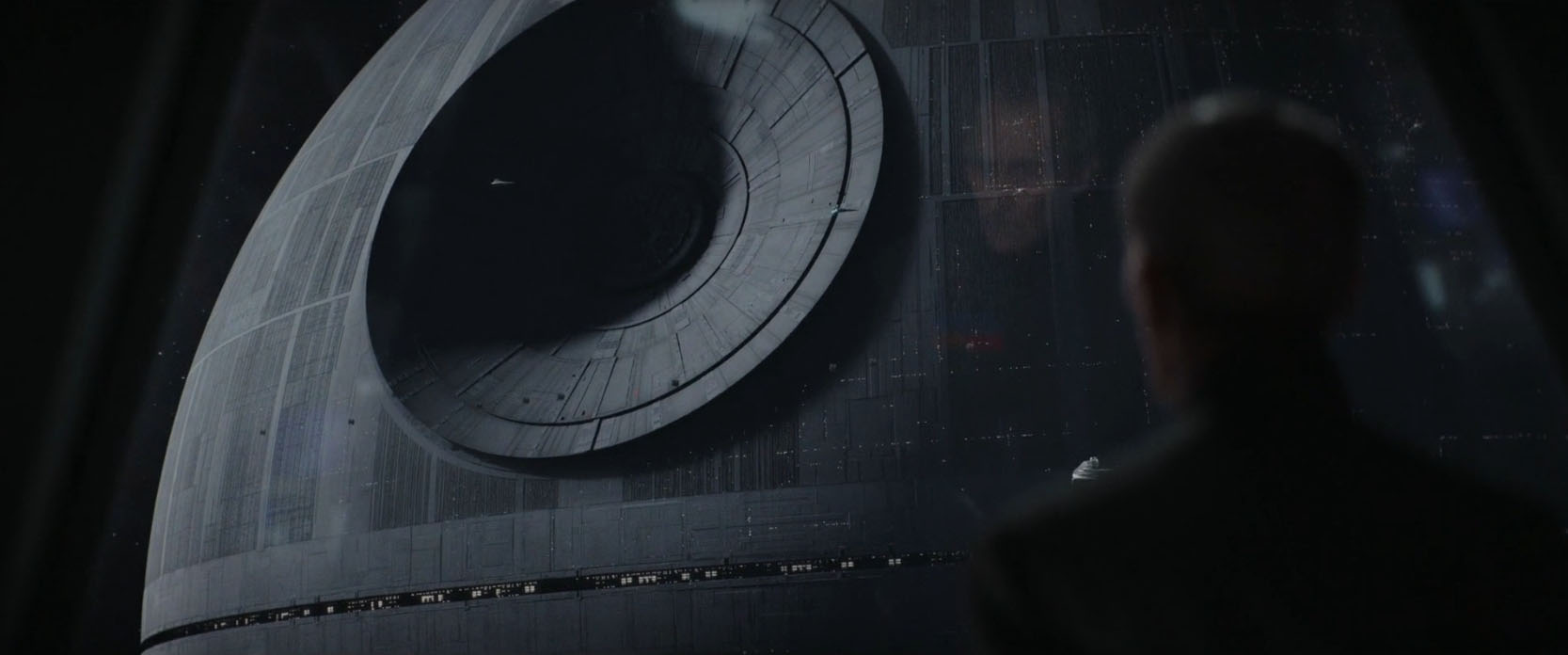
Death Star

Our first scenario structure challenge is the Death Star sequence from the original Star Wars. More generally, this is an exemplar of a “space station infiltration” mission, but we’ll be using the Death Star as a useful parallel (while acknowledging the limitations of this).

What makes the Death Star scenario tick?

(I’m just going to assume here that everyone is familiar with Star Wars. If you’re not familiar with it, do yourself a favor and immediately track down a copy of the original, unaltered version and watch it ASAP.)

  1. The PCs have to gain access to the Death Star. (In the case of the movie, they got captured by its tractor beam and hid in the smugglers’ compartments.)
  2. There was a primary obstacle they had to overcome in order to get out. (The tractor beam needed to be disabled.)
  3. There was an objective they wanted to accomplish. (Rescue the princess.)
  4. There was a grab bag of situational obstacles that needed to be overcome, bypassed, or otherwise resolved in order for the PCs to overcome the obstacle and/or achieve the objective.

When it comes to the situational obstacles, note that there’s only a handful of them: Stormtroopers, Imperial officers, the security protecting the Death Star’s computer network, magnetically sealed doors, and Darth Vader. Rather than introducing entirely new elements, the lesser obstacles get mixed and remixed constantly: Stormtroopers scanning the ship. Stormtroopers guarding the ship. Stormtroopers attacking them in the brig. Stormtroopers chasing them through the corridors. Stormtroopers guarding the ship again.

RAID SCENARIOS

Let’s digress for a moment and talk about raid-type scenarios in general.

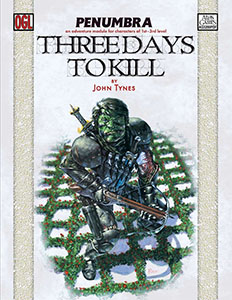
Three Days to Kill - John TynesJohn Tynes’ Three Days to Kill module is my personal touchstone for this. It certainly wasn’t the first raid-type module ever published, but it was the one which, for me, made the concept really gel definitively (primarily because Tynes boils it down to an essential core and clearly spells out exactly why he designed the scenario the way that he did; in other words, he breaks down the scenario structure for the GM).

Basically, there are three parts to a basic raid scenario (which Tynes describes as a “Tom Clancy-style special ops mission”):

First, it largely functions using the same room-and-key design of a location-crawl.

Second, the target location is designed in such a way that the PCs can grok the entire floorplan and some (or all) of its defensive measures. (You’ll note that this is distinct from a typical dungeoncrawl, where it is virtually impossible and usually antithetical to the desired gameplay for the PCs to be able to predetermine the entire floorplan.)

Third, the target location should generally feature lots of potential entry points (allowing the PCs to select their approach and make meaningful tactical decisions about how to carry out the raid).

Fourth, the defensive forces should be designed to respond as an active opposition force.

Over the years I’ve refined this structure to include adversary rosters in order to make it easier to key patrol patterns and also to make the defensive forces more dynamic in actual play.

The intended form of play is that the PCs will (1) learn about the target location, (2) have time to plan their raid, and then (3) execute their raid against active opposition.

THE DEATH STAR RAID

Death Star - Docks

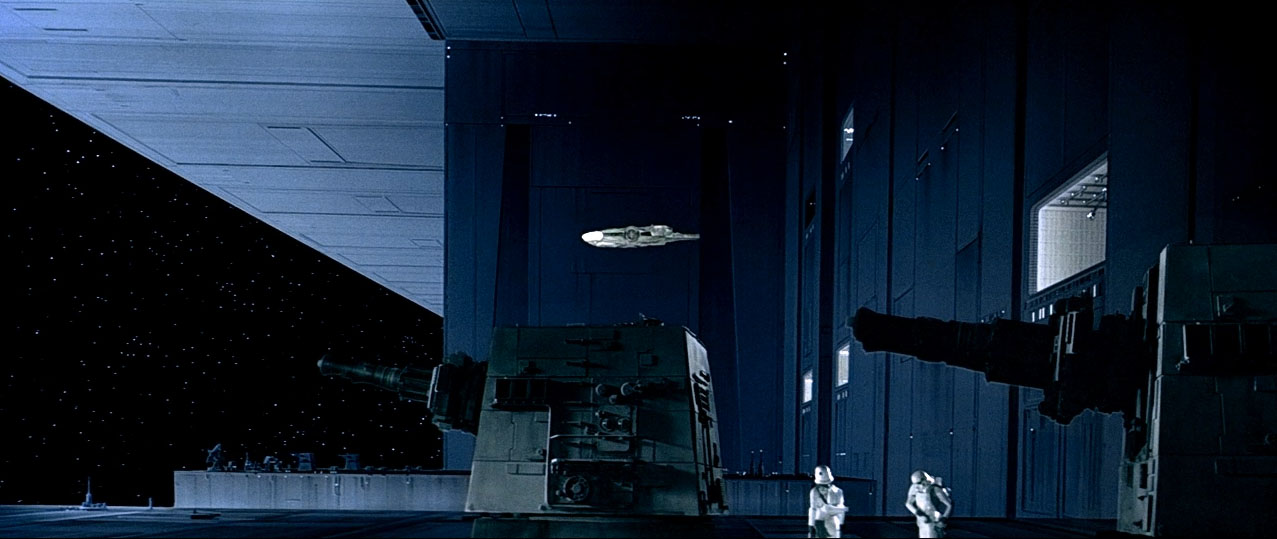
Once you understand the basic raid structure, the potential trap for a Death Star-style raid is trying to map out the entire space station. That’s valuable for smaller raid scenarios (particularly if you prep it in a way that the blueprint can literally be presented to the PCs so that they can use it during planning), but a space station is just too big for that to be convenient. (Even a space station much, much, much smaller than the Death Star.)

So in planning out a raid on the Death Star, you’ll need to figure out how to design the raid on a slightly more abstract level. Let’s look back at our list of four elements which makes the Death Star sequence tick:

1. Generally speaking, do NOT determine how the PCs will gain access to the station. Instead, take a step back, think about all the ways people can enter the station, and then figure out how those entrances have been secured. Sketch those out briefly. As with any other raid scenario, it’s now up to the players to (a) learn about them and (b) figure out how to bypass them.

2 & 3. Figure out 1-3 objectives that the PCs want on the space station and/or primary obstacles they need to overcome to escape the station once they’re onboard it. (The players may have already determined at least some of this for you when they made the decision to raid the space station in the first place: Why are they there?)

4. Prep your grab bag of 4-6 situational obstacles that can complicate the PCs’ efforts to reach and achieve the objectives/primary obstacle. Include 1-2 big, notable bad guys (Darth Vader, Tarkin). Include some interchangeable mooks (stormtroopers, officers). Include some passive security features (computer network, magnetically sealed doors).

Finally, briefly sketch the general layout of the station. As noted, this shouldn’t be a hyper-detailed map: You want to know the major features of the space station (docks, brig, bridge, engineering cores, Stormtrooper barracks, etc.) and you probably want to have a general sense of where they are in relation to each other (brig is on the upper levels, docks on the lower levels, etc.).

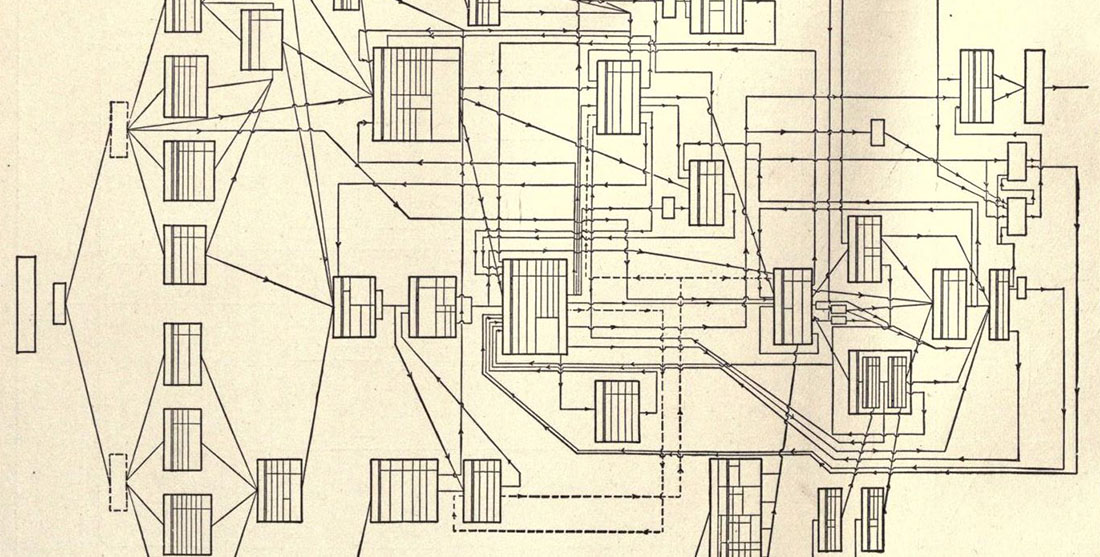
A flowchart structure can work well for this, giving enough structure for the PCs to make meaningful choices without getting bogged down in an unnecessary superfluity of detail.

SITUATIONAL OBSTACLES

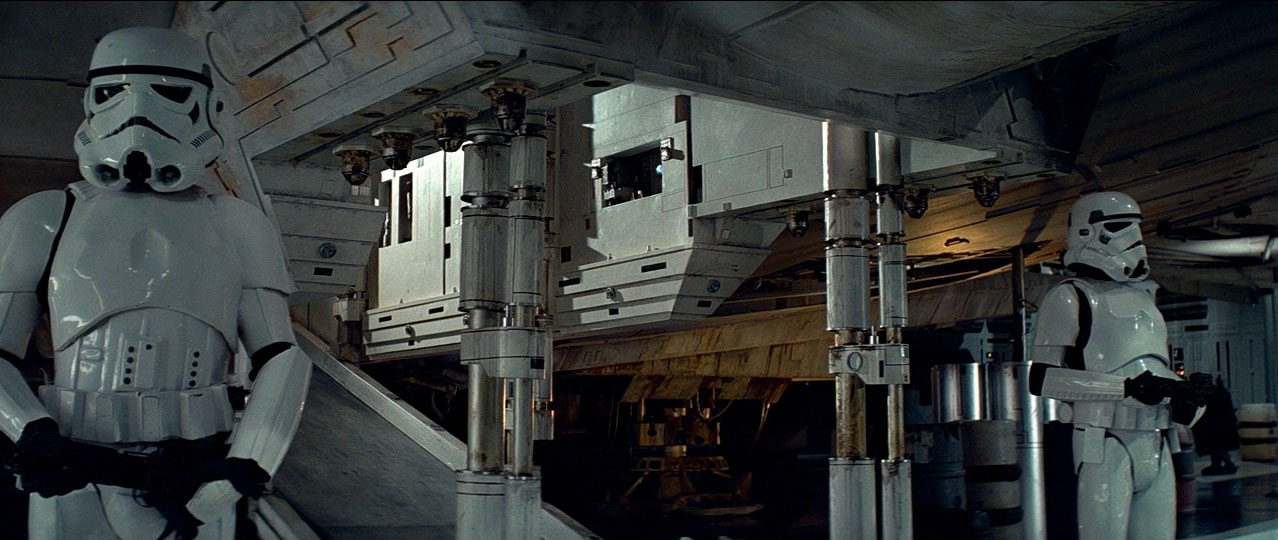
Death Star - Stormtroopers

As you’re developing this flowchart, try to include at least 1-2 locations between the entrances and the various objectives/primary obstacles. These are the locations where the PCs can encounter some of the situational obstacles. For example, in order to get from the docks (where the PCs enter the Death Star) to the brig (where the princess is being held) you need to pass through the central elevator shafts (giving Imperial officers or other personnel a chance to spot you).

You can sketch out what situational obstacles are found in each location, if you like:

DOCKS

  • 2 stormtroopers in the docking bay itself
  • 2 imperial officers overseeing the docking bay from the control room
  • Magnetically sealed door on the control room

THE DEATH STAR RAID IN PLAY

And that’s basically it. At this point, you’ve got enough material that your players should be able to engage with it and you can respond dynamically whenever they do.

Don’t feel trapped by your prep. Remember, that what you’ve been designing are tools: If they’re in the brig and they blow their Bluff check, send in some stormtrooper squads. If they feel trapped, don’t think they can fight their way out, and they say, “There must be another way out of here! Can we get out through the vents?” think for a moment and then say, “Sure. That works. You can blast a hole in the wall over there and drop down onto the garbage disposal level.” You didn’t prep a garbage disposal level, but it makes sense that a space station would have one, right?

The garbage disposal room they drop into feels like a significant location, though, so let’s add a situational obstacle. Stormtrooper guards? Hmm… No. They just got away from stormtroopers up above, and who would bother guarding garbage? Let’s throw a magnetically sealed door here and… compacting walls? Yeah, that sounds good.

BEYOND THE DEATH STAR

Obviously this basic structure can be used for more than just space stations: Any raid targeting a sufficiently large facility can be set up this way.

As an exercise, you can break down the raid on CIA headquarters in Mission: Impossible and design it as a scenario. The objective is obvious (the NOC list kept in the vault). What are the potential entrances to the facility? What is the primary obstacle(s) that prevent them from leaving once they’re in? What are the situational obstacles that the GM can use to complicate their mission (if they choose to accept it)?

Go to Challenge #2

EXAMPLE DEATH STAR RAID
Remixing Avernus: Zariel’s Flying Fortress

Scenario Structures

This is the first entry in a new series I’m trialing here at the Alexandrian. Back in 2012, I wrote a series of essays about Game Structures in RPGs. A major component of this discussion concerned scenario structures – the macro-game structures which allow the GM to prep different aspects of their campaign world and different experiences for their players.

One of the specific things I discussed was the fact that when you try to prep a scenario using the wrong scenario structure, the result can be painful for everybody involved. You can see this with clearly wrong-headed ideas like running dungeon exploration as a linear timeline of events; running conversations using combat initiative; or trying to have players navigate a city as if it were a dungeoncrawl (by prepping every street with a keyed encounter and having the players make intersection-by-intersection navigation decisions).

This makes it truly unfortunate that most GMs don’t have a robust library of scenario structures that they can use to build their campaigns. In my experience, the vast majority of GMs are limited to just three structures:

  1. Railroads
  2. Dungeoncrawls
  3. Mysteries

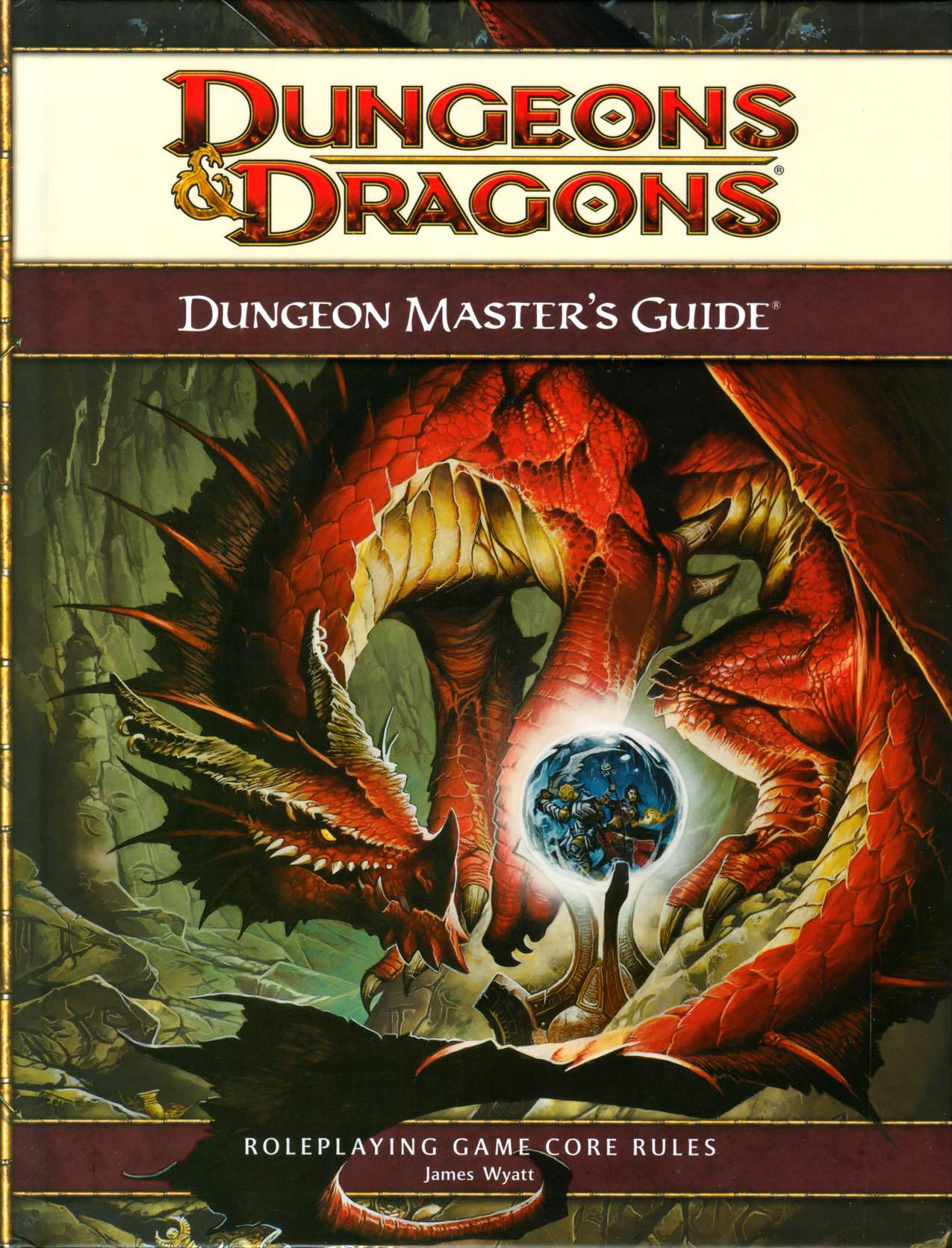
In actual practice it’s usually worse than this because many GMs don’t really understand how to structure mysteries, so they end up defaulting back towards railroads for their mystery scenarios. D&D 4th Edition - Dungeon Master's GuideAnd even running a dungeoncrawl is no longer a reliable skill for many DMs because the gateway game, D&D, is no longer teaching it as a skill: The actual procedure by which a dungeoncrawl is run was significantly obfuscated in 3rd Edition and was completely removed from the rulebooks for 4th Edition.

The result is that GMs generally don’t even consciously realize what scenario structures are, so they end up just kind of muddling around using gut instinct and a random amalgamation of half-realized scenario structures they’ve picked up through osmosis, most or all of which are just various flavors of railroading.

So I obviously think it’s really important for GMs to make the conscious decision to think about the scenario structures they use, and make sure they’re using the right scenario structures for the scenarios they want to run (or which they need to run because of the decisions their players are making). One of the things that storytelling games have been doing very well compared to RPGs over the last ten to fifteen years is, in fact, spelling out specific procedures for GMs to follow.

As part of that original series on Game Structures, I also talked about designing custom game structures, using the example of how to design structures for running a campaign about a starship plying interstellar trade routes.

With this series I want to challenge myself – and you! – to do more of this. The truth is that even one of these structures unlocks the ability to confidently prep and run dozens of scenarios. When I figured out node-based scenario design, it meant that I could suddenly design and run incredibly complex mystery scenarios as a matter of simple routine. When I figured out the party planning structure for effectively running large social events, it was like opening a door to a room that I’d never even knew existed. What else is hiding out around here, lurking just within arms reach and yet somehow completely beyond our grasp because we’re blind to the possibility?

So this series is going to look at specific types of experiences and say, “How would you prep this – and then run this – for an RPG?” The results won’t have been playtested (yet!), so it’s possible that what we come up with won’t work in actual practice. But the goal will be to get specific enough to provide a concrete framework for prepping any number of scenarios. Or, if we run into something truly challenging, enough detail to spark meaningful analysis and discussion (similar to my Thinking About Urbancrawls series, which did, eventually, result in a specific structure being created).

I suspect that most of our challenges will be prompted from linear mediums like films, books, and comics, but real life could also easily provide examples. (Hexcrawls, for example, were born as much from the inspiration of real life expeditions like Shackleton or Marco Polo as they were from the travel sequences of The Lord of the Rings.)

Sherlock HolmesOf course, some would-be “challenges” will have obvious answers: Sherlock Holmes? Well, Three Clue Rule with a side-helping of node-based scenario design. Next!
We’ll be skipping those.

Our goal is also not to specifically ape our point (or points) of inspiration: Even if we could create such a narrowly focused scenario structure, what would be the point? What we’re interested in is finding a structure that will allow us to create any number of similar experiences, preferably with so much flexibility that the results might end up looking absolutely nothing like our original inspiration. (Think about how something like Moria becomes the incredibly flexible structure of the dungeoncrawl, which in turn expands into the generic structure of the location-crawl, which can end up being used to model a technologically-riddled skyscraper in a cyberpunk setting.) The points of inspiration exist to help us think about and unlock that structure.

I’m also hoping that seeing my process of working through these challenges will also prove more generally useful by demonstrating the process by which I create and prep these structures.

Finally, I really do want to be challenged here. So if you have some tricky situation or a narrative example of an experience you’d like to create for your group, throw it my way, either in the comments here or via Twitter.

We’ll be getting stated on Wednesday with…

Raiding the Death Star!

SCENARIO STRUCTURE CHALLENGES
Challenge #1: The Death Star Raid
Challenge #2: Race to the Prize
Challenge #3: McGuffin Keep-Away
Challenge #4: Heists
Challenge #5: The RPG Montage
Challenge #6: Innkeepers
Challenge #7: Hostage Rescue

Discussions about using published material in your RPG campaign – settings, scenarios, etc. – tend to break down into two camps: Those who eschew it as heresy and those who argue that it’s a necessary time-saving device for many GMs. Where people fall on this spectrum will often vary depending on the type of material being discussed: Many of those who declare all GMs who use published scenarios as unconscionable hacks would nevertheless be completely baffled by someone suggesting that their use of published Monster Manuals betrays their creative weakness and incompetence.

(As you can tell, these are often “fun” discussions.)

I tend to take a third position in this debate: When used properly, high quality material isn’t just a time-saving device or a compromise. It will improve your game and give a result better than what could have been achieved without the third-party material. (Which is not to say that every campaign can or should include published material, because there are other creative agendas to consider.)

I draw an analogy to theater: Yes, it is possible for a theater company to perform nothing but material developed by the people performing it. But the reason theater companies choose to mount productions of Hamlet is that (a) the creative input of the playwright spurs creativity from the other participants that wouldn’t exist without that input; (b) the act of creative interpretation is unique, rewarding, and distinct from blank slate creation; and (c) the specific interpretation of a particular production creates a communal dialogue and shared experience with other productions, which can enhance both the short-term and long-term rewards of the production.

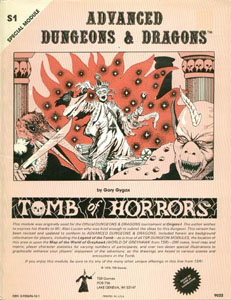
Similarly, when one runs the Tomb of Horrors it’s not just that the module can create experiences the group would not have created on its own: The group can also benefit from the experiences others have had with the module, and the shared experience (for example, being able to swap tales about what happened in your version of the Tomb) can create long-term enjoyment that wouldn’t exist with bespoke material.

More than merely the shared experience, though, I feel that using pre-existing material can have a positive impact on your campaign that extends far beyond the immediate utility of the material itself. One of the primary ways this is true is through the use of reincorporation when adapting the material to your campaign.

CREATING ELEMENTS

Before delving into that, let’s take a moment to discuss what reincorporation is. For any creative element in roleplaying there are three moments of instantiation:

  • Creation
  • Repetition
  • Reincorporation

Creation is the moment at which the element is first conceived. Repetition is when that element is used in the same way again. Reincorporation is when the repetition of an element changes the element in some way or reveals it to have connections to other pre-existing elements.

For example, you create a bounty hunter named Nafassk. Repetition happens when Nafassk shows up again hunting another bounty. Reincorporation happens when you reveal that Nafassk is working for the PCs’ old patron, Prelate Cadal; it happens again when it turns out Nafassk frequents the same tavern the PCs do; it happens again when Nafassk is hired to kill the PCs; and so forth.

(The distinction between “repetition” and “reincorporation” can be a little hard to grok, but notice that repetition of Nafassk only serves to add additional details about Nafassk. When Nafassk is reincorporated into the narrative, on the other hand, it’s not only our understanding of Nafassk which is deepened; we also learn more about Prelate Cadal, the social scene of the tavern is enriched, and so forth.)

Due to the unusual nature of roleplaying games, it should be also noted that the creation-repetition/reincorporation sequence may not match the sequence of how that material is encountered during actual play. One example of this is foreshadowing, in which the GM creates an element for inclusion at Point X in the campaign, and then includes repetitions and/or reincorporations of the material before the players reach Point X as a herald of what’s to come.

Creative personalities often worship in the Cult of the New, and GMs are no exception. It can feel far more exciting to create something shiny and new rather than reincorporating existing material. But reincorporation builds meaning; it builds relationships; it builds significance. Sometimes the joke is funnier when you bring it back than it was the first time.

(This is usually less true of simple repetition, which is why just quoting Monty Python isn’t as funny as when Monty Python throws a wooden rabbit at you.)

Superhero comics understand the balancing act between novelty and reincorporation: It would get boring if Batman faced off against the Joker in every single issue. But the Joker also becomes a richer and more interesting character as a result of his history with Batman.

ADAPTATION THROUGH REINCORPORATION

How does this relate to the use of published material?

For the moment, I’m going to look at this through the lens of published scenarios, although the same advice can apply to the use of other published material. Generally speaking, published scenarios are generic: Their content is obviously self-contained. Every creative element that the published scenario introduces is, by necessity, new to your campaign.

(In many of my published works, including the core style guides for Infinity scenarios, I make a point of including suggestions on how the material in the scenario can be seeded into your campaign before the scenario started – what I call “Groundwork” – and also how elements of the scenario can be carried forward into future scenarios of your campaign. But that’s more the exception than the rule, and it’s still limited to being a one-way transaction.)

What I’m suggesting is that one of the first things you should do when adapting published material to your campaign is to look for ways to reincorporate existing elements of your campaign instead of simply using the new elements introduced by the published material. Does the new scenario feature a vampire villain? Can you use that vampire lord the PCs encountered a couple months ago? Or maybe this new vampire was sired by the vampire lord? Or could you adapt the scenario to feature the lich who’s the primary recurring antagonist instead?

This approach can seem counterintuitive for those who think of published material as primarily being a timesaver, since you’re often ripping out perfectly good material simply to create more work for yourself in tweaking existing elements of the campaign world.

The obvious reason for doing this is that, by reincorporating elements into the scenario, you enrich the scenario: You make it more personal for the PCs. You create deeper meaning. You give the events greater significance.

What may be less obvious is that this works both ways: The pre-existing context of your campaign flows into the published material, but the context of the published material also flows out into your pre-existing material, resulting in long-term value that can last long after the scenario has been completed.

For example, I made the decision early on when developing the Western Lands setting I’ve used for most of my D&D campaigns since 2000 that there would only be one pantheon of gods. And, moreover, that pantheon would consist of exactly nine gods and I knew who all of them were.

This creates a significant limitation for me when adapting pre-existing scenarios which feature religious edifices and institutions. Which, this being D&D, is practically all of them. Often, like Roman cult-looters, I can simply equate the scenario writer’s god with one my own: God of the harvest to my goddess of the harvest, warrior god to my warrior god, and so forth. But each time I do this, my gods and goddesses tend to accrue additional details. It was thus that Vehthyl, the God of Magic, also became the Clockmaker. And Crissa, the Mother, gained the aspect of the Defender, in which form she is often depicted with the Sword of Justice and the Shield of Truth. (And this, in turn, also began to give new light to her relationship with her son, Itor, the God of War.)

When I adapted Rappan Athuk and The Tomb of Abysthor from Necromancer Games to form the heart of another campaign in the setting, I realized it would be useful to have smaller religious cults. This led to the creation of the Saint Cults, which venerated their chosen god through the Saints who had become living conduits of their god’s will. This concept would grow to become so central to the campaign setting that in my Ptolus campaign one of the characters actually became a living saint.

As you can see, this actually works great with cultural aspects of your campaign world. Fictional cultures are often very flat and one-dimensional. Reincorporation through adaptation tends to force the kinds of messy compromises and weird regional variations that you see in real world cultures. And it doesn’t have to be limited to the big, mythological elements: Instead of moving to the new town described in the next adventure module you’re using, add the NPCs and locations in the new material to the PCs’ existing community (and figure out their relationships to the existing community).

The bridges that you can cross with these techniques can be quite large. For example, I once ran a (sadly abortive) campaign mixing the Freeport Trilogy from Green Ronin games with Greg Stolze’s City of Lies for Legend of the Five Rings. Blending the byzantine Eastern politics and Opium Wars of City of Lies added incredible depeth to the Mythos-infused pirate town of Freeport.

And it’s really those surprises – those unexpected juxtapositions and compromises out of which immense creativity erupts – that makes this technique so incredibly rewarding.

Archives

Recent Posts

Recent Comments

Copyright © The Alexandrian. All rights reserved.